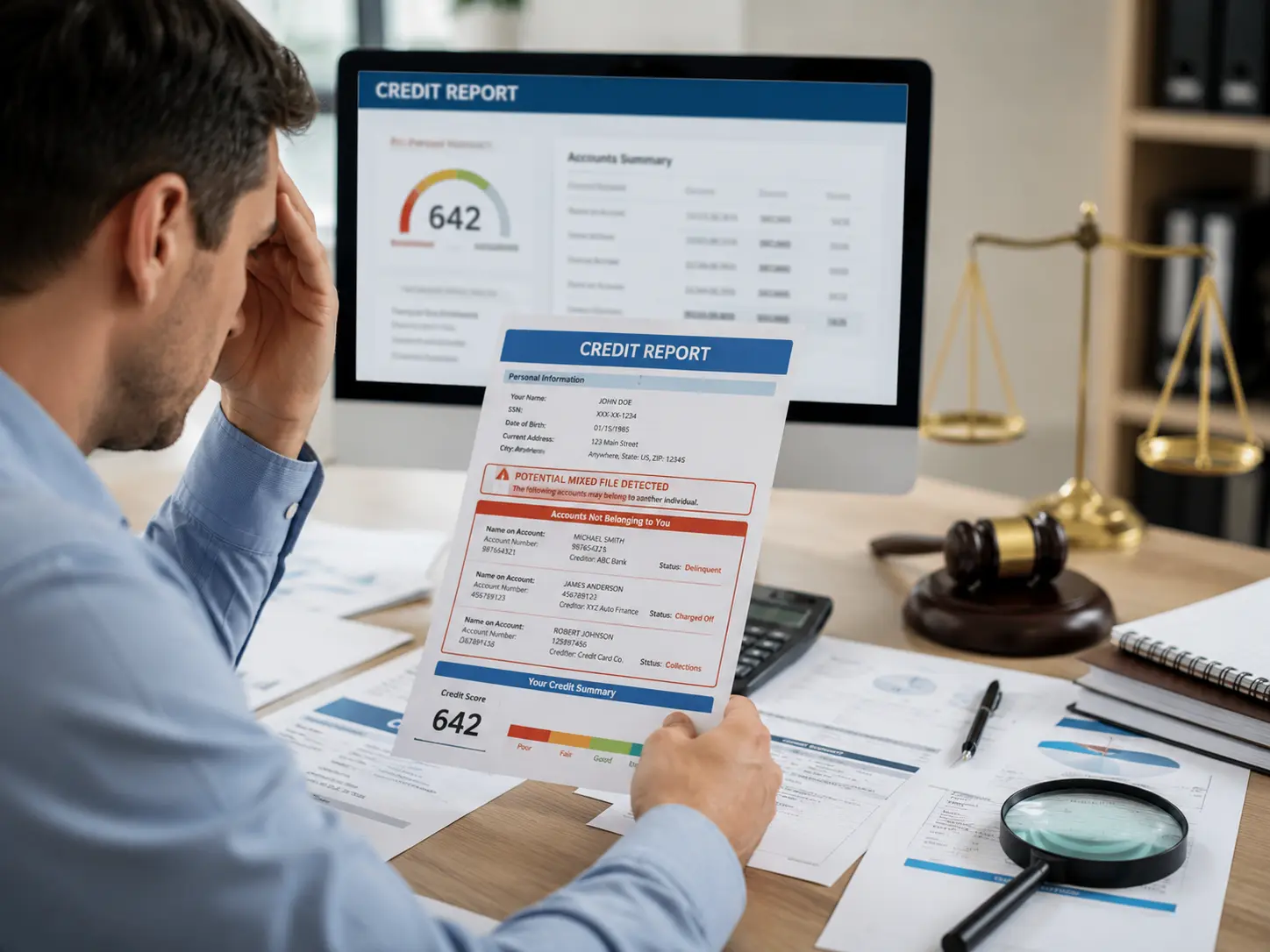

Have you ever looked at your Experian credit report and thought, “Wait… that can’t be right”? There’s maybe a late payment you know you made on time, an incorrect account balance, or even an account that isn’t yours at all. You’re definitely not alone—mistakes like these happen more often than people realize, and they can seriously mess with your financial plans, including renting an apartment, getting approved for a loan, or even landing a job.
And here’s something that helps explain why these mistakes are so common. In January 2025, the Consumer Financial Protection Bureau (CFPB) filed a lawsuit against Experian. They accused the company of mishandling consumer disputes—claiming that Experian ran “sham investigations” and even let previously deleted errors sneak back onto credit reports, hurting people’s financial credit well-being. If you’re dealing with any of these errors, you’re in the right place. We’ve done all the hard research to guide you in resolving errors on your Experian credit report.
Key Components of Experian Credit Report
Before fixing an error, it’s important to understand what’s included in your Experian credit report. Here’s a quick breakdown:
1. Personal Information
This section collects various identifying details about the individual. It includes:
- Name Variations
- Social Security Number Variations
- Past and Present Addresses
- Date of Birth
- Spouse or Co-Applicant
- Phone Numbers
- Employment Information
- Personal Statements
2. Credit Accounts
Also called trade lines, this section lists all your open and closed credit accounts—credit cards, mortgages, auto loans, and more. It shows balances, payment info and history, credit limits, and whether accounts are in good standing.
3. Credit Inquiries
Here, you’ll see a detailed record of who has accessed your credit report. Based on who requested, the injuries are separated into categories:
- Hard Inquiries: When a financial institution checks the credit due to a loan application, and does impact credit scores.
- Soft Inquiries: These do not affect credit scores and include personal checks of one’s own credit.
4. Collections
The collections section of an Experian credit report lists accounts turned over to collection agencies due to overdue payments. It details the collection agency, original creditor, and current balance owed.
5. Public Records
This section includes significant legal records, primarily bankruptcy filings. It reflects whether the bankruptcy is Chapter 7 or Chapter 13, along with its filing date and duration of impact on credit.
| NOTE: Chapter 7 discharges debts without repayment and stays on your report for 10 years. In contrast, Chapter 13 involves a repayment plan, with the record remaining for 7 years. |
Most Commonly Persisting Errors on Your Experian Credit
Now that you understand the key parts of your Experian credit report, it’s easier to spot mistakes that could hurt your score. Listed below are a few of the most common issues you might run across:
Incorrect Personal Information
Mistakes in your name, date of birth, Social Security number, address, or employment details. These errors can confuse identifying your credit file or cause issues when lenders verify your identity.
Improper Payment History
A large part of your credit score is based on your payment history. If you see payments marked late or missed that you actually made on time, your credit score can take an unnecessary hit. These errors may result from clerical mistakes or incorrect data provided by lenders.
Accounts You Don’t Recognize
Sometimes, accounts may appear on your credit report that you didn’t open—often due to identity theft or a mixed credit file. Reporting the issue to the Experian Bureau and seeking help from a mixed credit report attorney who can guide you on what exactly to do is recommended.
Late Payment Records That Were Made On Time
Payments marked late when you paid on time can drastically drop your score. Due to this error, your payment reliability is inaccurately represented.
Reinserted Previously Disputed Information
Sometimes, even after you’ve successfully disputed errors on your mixed credit report and had them removed, inaccurate information can be reinserted—often without warning. A situation like this can be frustrating as well as harmful as these can seriously impact your credit score if not addressed quickly.
Fraudulent Inquiries
Hard inquiries appear when a lender checks your credit for loan or credit card applications. If you find inquiries you didn’t authorize, it could indicate identity theft. Too many hard inquiries in a short period make lenders hesitant to approve new credit.
From mixed credit files to incorrect public records, even a single mistake can have a huge impact on your credit score. That’s why it’s important to regularly review your credit report to catch and fix errors before they turn into bigger problems. If you’re finding it difficult to sort things out on your own, a credit reporting lawyer from Zemel Law Consumer Protection Firm can guide you through the process to ensure your rights are protected.
How to Address Errors on Experian Credit Report
After reviewing your Experian report and spotting errors—whether on your own or with a credit reporting attorney—follow these simple steps to get them corrected:
Step 1: Gather Supporting Documentation
Start by collecting evidence that supports your dispute. This could include:
- The bank statements show you made a payment on time.
- Letters from creditors stating the account status.
- Copies of identification documents if personal information is wrong.
Step 2: File a Dispute with Experian
You can file a dispute directly with Experian online, by phone, or by mail. Online is the fastest and easiest:
- Go to Experian’s Dispute Center and log in or sign up.
- Once you are logged in, you’ll see your information divided into sections, just like on your credit report. Find the section where you noticed the mistake.
- After you find the error, click on the account or information you want to challenge. You’ll see an option to “Start a Dispute” on the right-hand side—go ahead and click that.
- A drop-down menu will appear with reasons for your dispute. Pick the one that best describes the problem. In some cases, you can add a quick explanation to clarify things. They may also ask for documents to support your claim (like bank statements or payment confirmations).
- Some issues, especially identity theft concerns, can’t be handled online. If that happens, Experian will ask you to call their Dispute Specialist team, who will walk you through the next steps.
- After reviewing your details, hit “Submit.” You’ll then see a confirmation page showing that your dispute has been filed. The site will provide a link to upload any documents.
Step 3: Follow Up and Keep Records
Experian typically resolves disputes within 30 days. Experian will update you via email, but you can also log in to your Experian account to track your progress. Also, keep copies of everything you send them.
Step 4: Review the Results
Once the investigation wraps up, they’ll notify you of the results. If the error is corrected, you’ll receive an updated credit report. If they don’t fix the issue, you have the right to:
- Add a consumer statement explaining your dispute.
- File a complaint with the Consumer Financial Protection Bureau (CFPB).
Conclusion
By following these steps, you can take control of your credit report and protect your financial future. It might feel like a hassle, but it’s worth it when you finally see an accurate, clean report. Dealing with debt collection harassment on top of credit issues? The team at Zemel Law is here to help. Our experienced credit harassment attorneys offer clear guidance and practical strategies to stop creditor harassment and deal with the complexities of debt collection.